
"all Ethiopian"
6000 article(s) found

Ethiopian coffee beans| Ethiopian coffee producing areas| Guji Kaiyong Mountain Single Farm
Professional coffee knowledge exchange More coffee bean information Please pay attention to coffee workshop (Weixin Official Accounts cafe_style) Ethiopia Guji Kayon Mountain Farm NaturalWashedEthiopia Guji Kayon Mountain Farm NaturalWashedEthiopia Oromia Region

Why the coffee species in Ethiopia are all native species the historical reason for the word "native species"
When we talk about Ethiopian coffee, some people use words such as jasmine, rose fruit and magnolia to describe the smell of flowers, but have you ever wondered why these specific varieties with floral flavor are often summed up as "native species"? In the early days of the third wave of coffee, native species were often used to describe Ethiopian coffee, but this is not very accurate.

Ethiopian boutique coffee beans Ethiopian coffee taste Ethiopian coffee special
Although the Ethiopian Yirgacheffe coffee is petite, it is gentle and delicate and sweet. As the hometown of coffee, thousands of years of planting history and processing tradition in Ethiopia have created high-quality washed Arabica beans. Light baking has unique sweet aromas of lemon, flowers and honey, soft acidity and citrus flavors, fresh and bright on the palate. Without

Boutique coffee common sense Ethiopian coffee
The coffee tree originated in Ethiopia, which was originally a wild plant here, and the name coffee comes from the Ethiopian town of Kaffa. Humans may have known how to grow coffee trees as early as the 9th century. Coffee producing area in Ethiopia: many coffee trees in Ethiopia are still wild plants, and the coffee grown on this coffee tree is full of grains.

What should be paid attention to when baking Ethiopian coffee? the main points when baking Ethiopian coffee
What to avoid when you bake Ethiopian coffee when it comes to baking levels, Sarah prefers slow baking and semi-black roasting. However, he added, sometimes we subtly and roughly adjust the baking to increase or decrease acidity. He added: it's hard for us to adjust the taste of coffee to a dark level unless we need to cover up small flaws in taste and aftertaste. Roast Essel

Ethiopian coffee origin
Ethiopia can find a variety of coffee cultivation methods: from wild coffee groves and semi-developed land, to small plots of traditional management, to modern plantations. About 50 percent of coffee is grown at altitudes of more than 1500 meters. Harrar coffee is the highest coffee grown in Ethiopia. Hara coffee can be divided into long coffee

Introduction of Ethiopian Coffee Grade Analysis of Ethiopian Coffee beans
Ethiopian coffee beans are divided into five levels. The first and second stages are washed beans. Washed beans Grade1 represents 3 defective beans per 300g raw beans, and Grade2 represents 4 defective beans per 300g. Gradc1 grade water washed beans are very rare and are generally difficult to buy. At present, all the washed beans exported from Ethiopia are Grade2 grade. The quality of sun-dried beans is Grade3 and Grad in order.

Flavor description and taste treatment of Ethiopian coffee beans
Flavor description of Ethiopian coffee beans in Ethiopia the grading and quality control system of coffee is divided into three levels: producer, regional and national. All coffee is inspected by local inspection agencies before leaving the country of origin, and then re-tested at the coffee inspection and grading centers in Addis and Diredawa to determine its quality grade. The coffee is

Overview of Ethiopian Coffee
The full name of the Federal Democratic Republic of Ethiopia (formerly known as Abyssinia) is a country located in northeast Africa. English name: The Federal Democratic Republic of Ethiopia, Ethiopia is the country of origin and hometown of coffee. Ethiopia has unique natural conditions suitable for growing all imaginable coffee.

Overview of Ethiopian Coffee
The full name of the Federal Democratic Republic of Ethiopia (formerly known as Abyssinia) is a country located in northeast Africa. English name: The Federal Democratic Republic of Ethiopia, Ethiopia is the country of origin and hometown of coffee. Ethiopia has unique natural conditions suitable for growing all imaginable coffee.

Coffee producing area in Ethiopia details Ethiopian coffee
The coffee tree originated in Ethiopia, which was originally a wild plant here, and the name coffee comes from the Ethiopian town of Kaffa. Humans may have known how to grow coffee trees as early as the 9th century. Coffee producing area in Ethiopia: many coffee trees in Ethiopia are still wild plants, and the coffee grown on this coffee tree is full of grains.

Boutique coffee Ethiopian jasmine, honey, citrus, ripe berries
The birthplace of coffee-Ethiopia. The coffee tree originated in Ethiopia, which was originally a wild plant here, and the name coffee comes from the Ethiopian town of Kaffa. In fact, many coffee trees in Ethiopia are still wild plants, and the coffee grown on this coffee tree is full-grained and slightly alcoholic. Humans may have been in the 9th century.

Ethiopian Coffee ceremony (Buna) course on how to drink Ethiopian Coffee
Professional coffee knowledge exchange more coffee bean information please follow the coffee workshop (Wechat official account cafe_style) Ethiopia is the origin of coffee, wild coffee plants, is still growing in Kaffa in the southwest of the country. In Ethiopian language, coffee is called buna, which means beans, and coffee red fruit is called kaffa bunn. Take out the coffee beans from the red fruit, there is sun,

Global Coffee producing area-Ethiopian Coffee Market
The coffee tree originated in Ethiopia, which was originally a wild plant here, and the name coffee comes from the Ethiopian town of Kaffa. Humans may have known how to grow coffee trees as early as the 9th century. Coffee producing area in Ethiopia: many coffee trees in Ethiopia are still wild plants, and the coffee grown on this coffee tree is full of grains.

Introduction to the Grinding scale of the Regional treatment method for the production of Ethiopian Coffee beans
Ethiopian Coffee Bean species Flavor Taste Manor Regional treatment Grinding scale introduces Ethiopia Sidamo is a type of single origin growing in Arabica coffee in Ethiopia's Sidamo province. Like coffee in most African countries, Ethiopian Sidamo is characterized by small gray beans, but characterized by its rich, spicy, wine or chocolate-like taste and flowers.
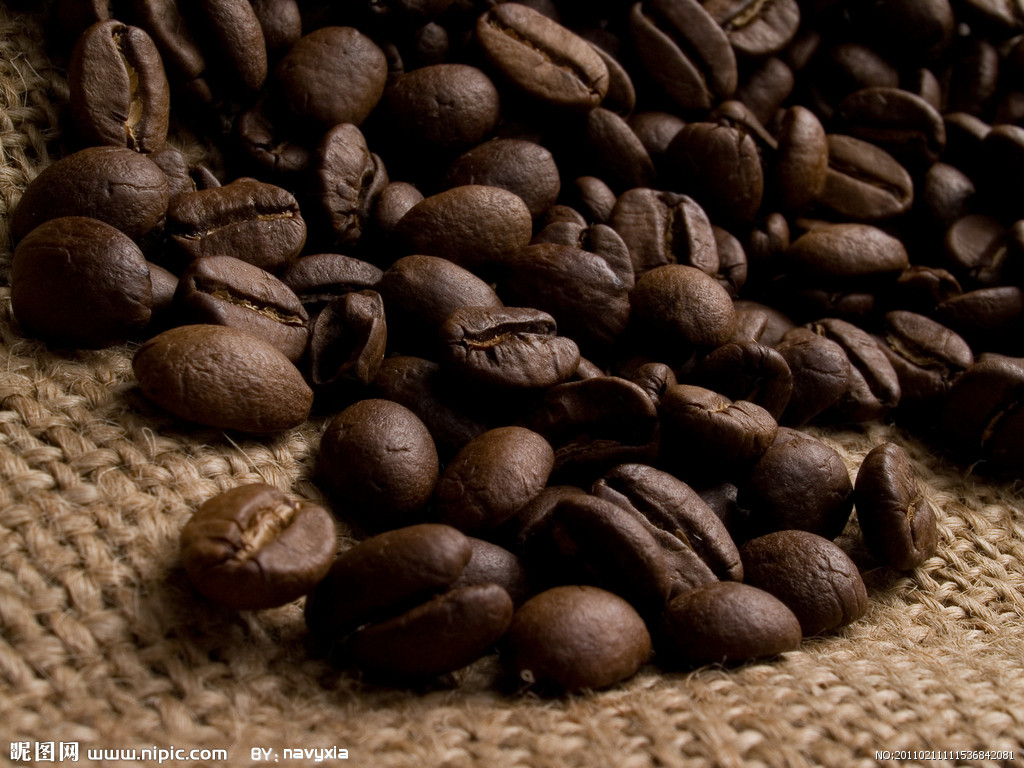
Arabica beans Arabica beans specialty coffee Country of origin Ethiopian coffee
The birthplace of Ethiopian coffee-Ethiopia. The coffee tree originated in Ethiopia, where it was originally a wild plant, and the name coffee comes from the Ethiopian town of Kaffa. In fact, many coffee trees in Ethiopia are still wild plants, and the coffee grown on this coffee tree is full of particles and slightly fragrant. human

Boutique coffee Ethiopian coffee flavor jasmine, honey, citrus, ripe berries
The birthplace of coffee-Ethiopia. The coffee tree originated in Ethiopia, which was originally a wild plant here, and the name coffee comes from the Ethiopian town of Kaffa. In fact, many coffee trees in Ethiopia are still wild plants, and the coffee grown on this coffee tree is full-grained and slightly alcoholic. Humans may have been in the 9th century.

Boutique coffee Ethiopian coffee flavor jasmine, honey, citrus, ripe berries
The birthplace of coffee-Ethiopia. The coffee tree originated in Ethiopia, which was originally a wild plant here, and the name coffee comes from the Ethiopian town of Kaffa. In fact, many coffee trees in Ethiopia are still wild plants, and the coffee grown on this coffee tree is full-grained and slightly alcoholic. Humans may have been in the 9th century.

Boutique coffee Ethiopian coffee flavor jasmine, honey, citrus, ripe berries
The birthplace of coffee-Ethiopia. The coffee tree originated in Ethiopia, which was originally a wild plant here, and the name coffee comes from the Ethiopian town of Kaffa. In fact, many coffee trees in Ethiopia are still wild plants, and the coffee grown on this coffee tree is full-grained and slightly alcoholic. Humans may have been in the 9th century.

Which coffee brand is better in Ethiopia? the characteristics and flavor of Ethiopian coffee beans.
Professional coffee knowledge exchange more coffee bean information please follow the coffee workshop (Wechat official account cafe_style) the front street of Ethiopian coffee brand-Yega Xuefei Coffee introduces the growing environment of Ethiopian coffee Ethiopia has unique natural conditions, suitable for growing all imaginable coffee varieties. Ethiopian coffee beans as upland crop owners